 Skip to content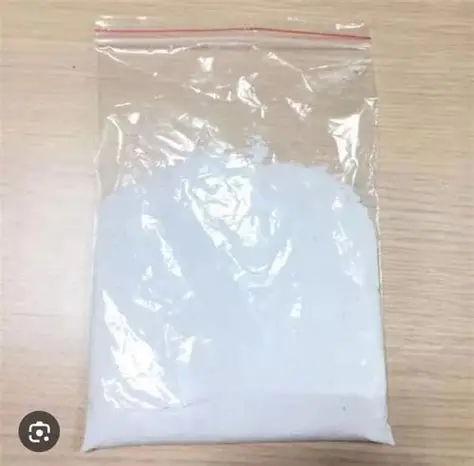
5F-Pcn Cyanopyridine Sale Online
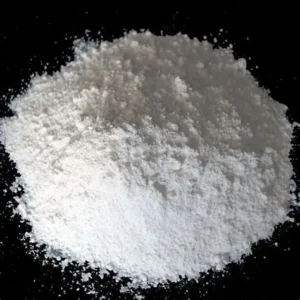
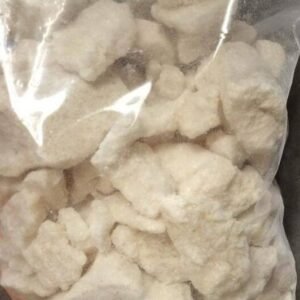
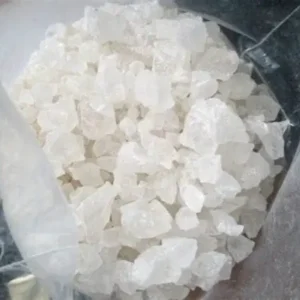
Buy 5F Pcn Cyanopyridine Online. Is a potent synthetic cannabinoid belonging to the indole-3-carbonitrile family. Developed initially for in vitro receptor binding studies, 5F-PCN has subsequently emerged in illicit herbal smoking blends and research chemical markets. Its structural design aims to mimic Δ9-THC’s interaction with cannabinoid receptors, but with markedly greater potency and unpredictable pharmacological effects. 5F-PCN Chemical Class: Indole-3-carbonitrile synthetic cannabinoid Molecular Formula: C₁₉H₁₈FN₃ Molecular Weight 307.36 g/mol Physical Form: Fine white to off-white crystalline powder 5F-PCN features a fluorinated pentyl side chain attached to an indole core, further linked to a pyridine ring bearing a nitrile group. This arrangement confers high lipophilicity and a strong affinity for cannabinoid receptors. Pharmacology and Mechanism of Action 5F-PCN functions as a full agonist at both CB₁ and CB₂ receptors Receptor Affinity: Sub-nanomolar Ki values at CB₁, indicating extremely high potency Onset: Rapid, often within minutes of inhalation or oral ingestion Duration: Short to moderate (2–4 hours), with peak effects in the first hour By fully activating CB₁ receptors in the central nervous system, 5F-PCN produces Profound euphoria and dissociation Altered sensory perception and time distortion Sedation or catalepsy at higher doses Cognitive impairment and memory disruption

5F-Pcn Cyanopyridine Dealers Near Me
Agitation, anxiety, paranoia, hallucinations, seizures Cardiovascular: tachycardia, hypertension, chest pain Respiratory: depressed breathing in overdose situations Psychiatric acute psychosis, confusion, suicidal ideation The narrow margin between an active and toxic dose often leads to unintentional overdoses, especially when inhaled in herbal mixes with variable compound concentrations. Analytical Detection and Forensic Relevance, 5F-PCN is not detected by standard cannabinoid immunoassays and requires specialized techniques LC-MS/MS (Liquid Chromatography–Tandem Mass Spectrometry) for quantitation in blood or urine GC-MS (Gas Chromatography–Mass Spectrometry) for identification in seized powders or vaporizer residues High-Resolution Mass Spectrometry (HRMS) to distinguish 5F-PCN from close analogues Forensic laboratories must update reference libraries periodically to capture this evolving class of indole-carbonitrile cannabinoids. United States Treated as a Schedule I analogue under the Federal Analogue Act United Kingdom Controlled under the Psychoactive Substances Act (PSA) European Union, Subject to national emergency scheduling as a new psychoactive substance Australia, Canada, Japan: Banned under analogue or blanket synthetic cannabinoid legislation Possession, manufacture, or distribution without explicit research licenses is a criminal offense in most regions.

Reviews
There are no reviews yet.